

E-sign rental agreements: what every agreement must include

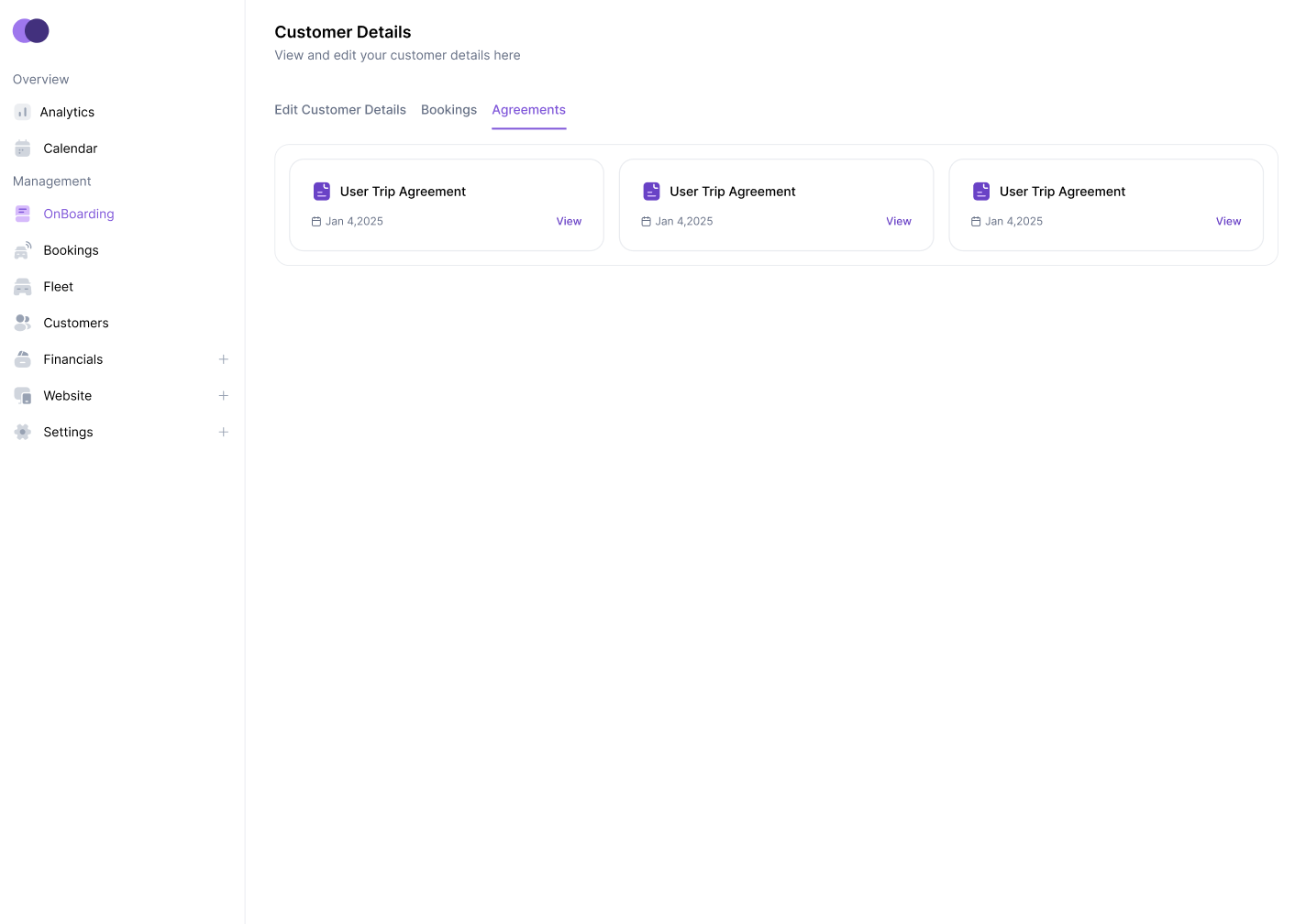
An electronic signature has quietly replaced the paper agreement for most modern rentals, and for good reason. Renters can sign before they arrive, hosts keep a clear copy, and nobody has to hunt for a pen at pickup. But an e-sign agreement is only useful if it actually covers the things that cause disputes. A signature on a vague document protects no one.
Start with the parties and the vehicle
Every agreement should name the renter and the host, identify the vehicle by make, model, and registration, and state the rental period with exact pickup and return times. It should also record the pickup and return locations. These basics sound obvious, but they are the first things checked when a late return, a toll, or a damage claim is disputed. If the document does not clearly say who had which car and when, the rest of it is much harder to enforce.
Spell out the money
State the rental rate, any mileage or usage limits, the deposit or hold amount, and the fees that apply for late return, cleaning, fuel, or extra drivers. Renters should be able to see the total before they sign, not discover charges afterwards. Clear pricing also protects the host: when a fee was agreed in advance, collecting it is a conversation, not a confrontation.
Cover use, insurance, and damage
The agreement should say who is allowed to drive, what the car may and may not be used for, and what insurance applies during the trip, including any excess the renter is responsible for. It should also explain how damage is handled: photos at pickup and return, how the renter reports a new issue, and the deadline for reporting it. Vague damage clauses are a common source of argument, so be specific about the process even if you keep the language friendly.
Include cancellation and return rules
State what happens if the renter cancels, arrives late, or does not show up, and what counts as a late return. Describe how the car should be returned, including fuel or charge level, cleanliness, and where the keys go. These rules turn awkward situations into routine ones, because both sides already know the answer.
Make signing simple and secure
Send the agreement early, let renters read it on their own device, and use a signing method that records who signed and when. Avoid asking renters to print, sign, and photograph a paper copy, which defeats the purpose of going digital. After signing, both sides should automatically receive a copy. A good e-sign flow feels easy for the renter and leaves the host with a complete, timestamped record.
Review your agreement once a year, or whenever your rates, insurance, or deposit policy changes, so it never drifts out of date. FleetyFit helps hosts send, sign, and store rental agreements alongside bookings and payments, so the paperwork that protects your fleet is ready before every trip.


