

How ID verification protects your fleet

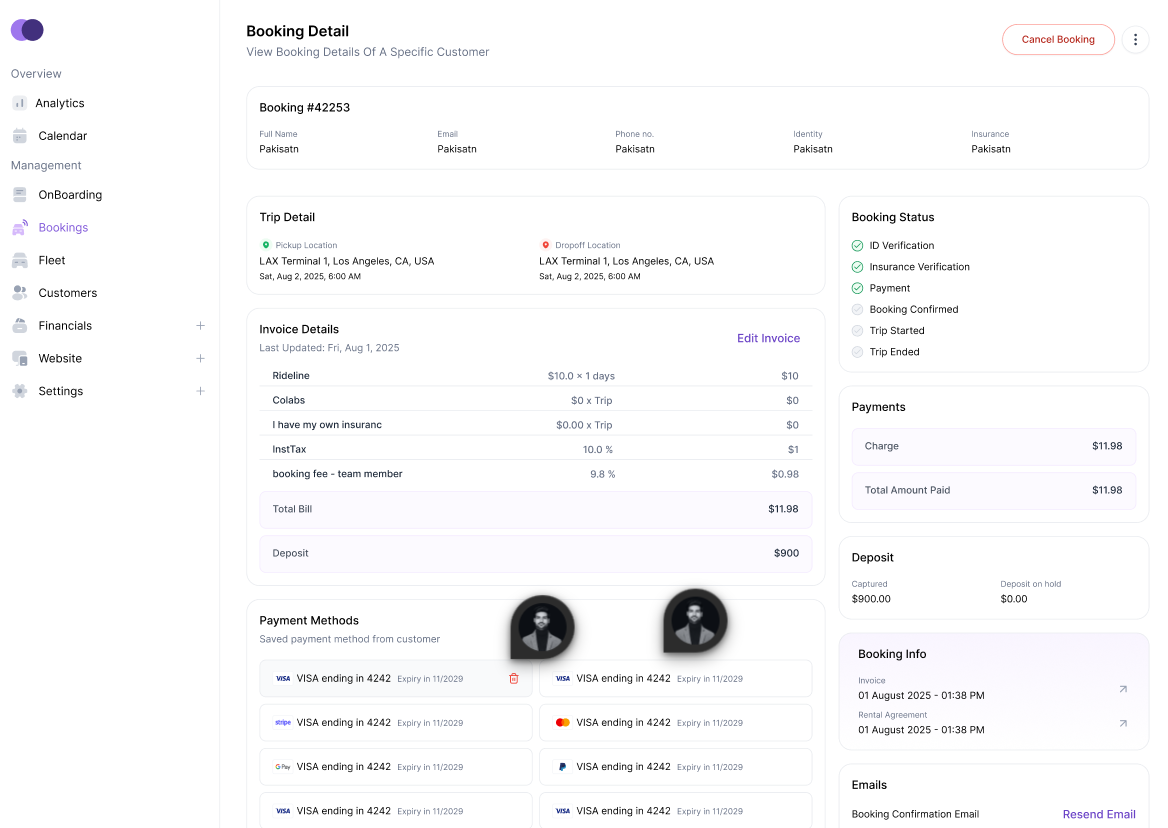
Handing a car to a stranger is the riskiest moment in any rental. ID verification exists to make that moment safer, for you and for the renter. It is not about suspicion. It is about confirming that the person taking the car is the person who booked it, that they are allowed to drive it, and that you can reach them if something goes wrong.
What verification actually checks
At its simplest, verification confirms identity and driving eligibility. A government photo ID should match the booking name, and the driving licence should be valid for the vehicle class being rented. Many hosts also check that the payment method belongs to the same person. When those details line up, most trips start without any fuss. When they do not, you have a clear reason to pause and ask questions before the keys change hands.
Why it protects more than the car
A verified booking protects your insurance position, your ability to recover costs, and your standing with the platform or marketplace you rent through. If a car is damaged, returned late, or involved in an incident, a clean verification record makes it far easier to show who was responsible. Without it, even a straightforward claim can turn into a dispute about who was driving. Verification also deters the small number of renters who would use a false identity to avoid accountability.
What to ask for, and when
Ask for verification at booking or well before pickup, not while the renter is waiting beside the car. Tell renters exactly what you need, in plain language, and how long it takes to review. A short checklist works well: photo ID, driving licence, and a contact number that actually answers. If you need insurance details for a particular vehicle, explain why. Clear expectations reduce last-minute cancellations and make good renters feel looked after rather than interrogated.
How to handle a mismatch
If a name does not match, a licence has expired, or a photo is unclear, stay calm and specific. Ask for a clearer photo or an additional document, and give a deadline tied to the pickup time. Do not release the car on a promise to send documents later, because that promise is hard to enforce once the trip has started. If verification cannot be completed, it is better to cancel early and free the calendar than to start a trip you cannot properly support.
Keep records, and keep them safe
Store verification details securely and only for as long as you need them, and never share them in public messages or screenshots. Link the record to the booking so you can find it quickly if a return issue arises weeks later. Good records also help you spot repeat patterns, such as the same renter returning with a different name, and they show future partners that your fleet is run professionally.
Verification works best when it is consistent: the same checks for every renter, every vehicle, every time. FleetyFit helps hosts bring booking details, renter verification, and trip records together in one place, so the checks that protect your fleet do not slow down the bookings that grow it.


